


Sales Support Manager
+918287845276Top Rebar Straightening Machine Manufacturers in Delhi NCR - Durga Construction Machinery
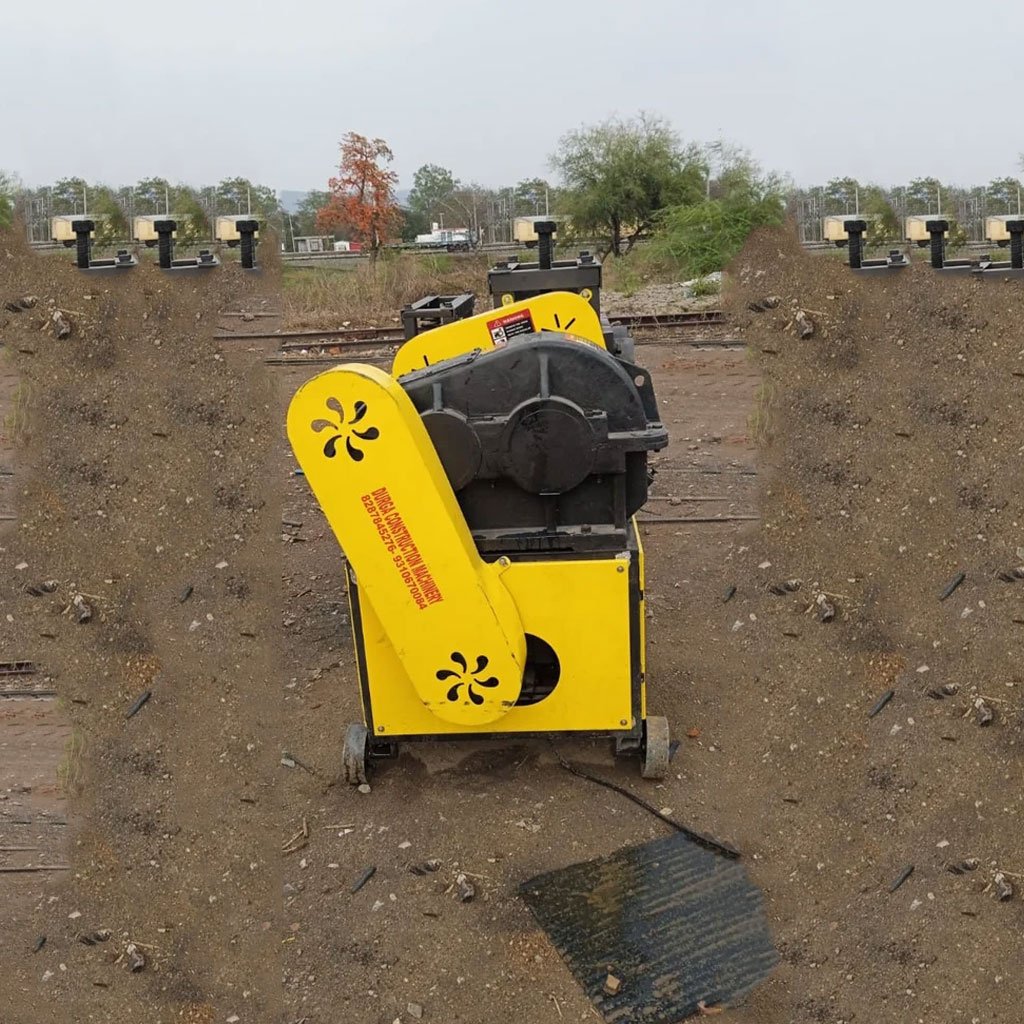
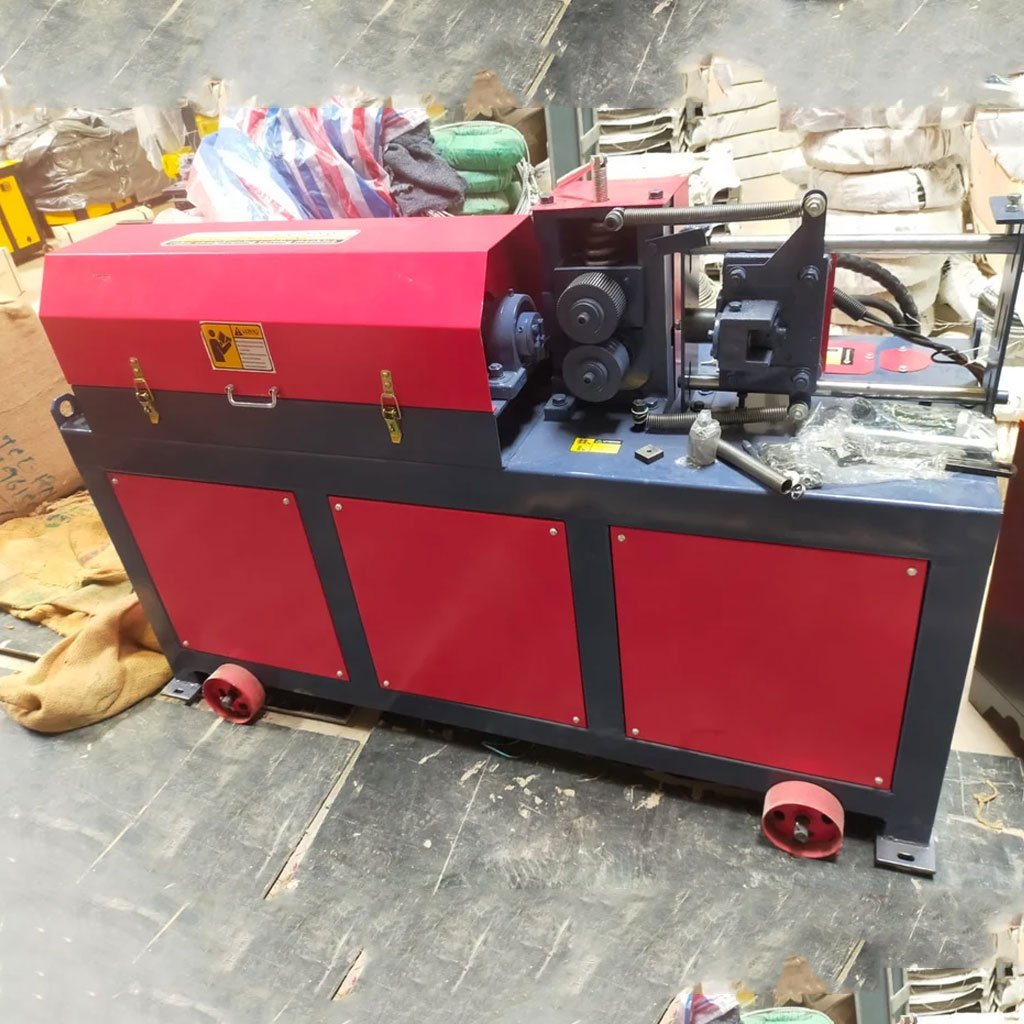
Durga Construction Machinery - leading rebar straightening machine manufacturer in Delhi NCR. Supplier of TMT bar straightening equipment at best prices. Call now! A rebar straightening machine is an essential construction equipment designed to straighten bent or coiled steel bars (rebars) used in concrete reinforcement work. This machine automatically transforms curved, twisted, or coiled reinforcement bars into perfectly straight rods, making them ready for use in construction projects. Our manufacturing facility produces robust and efficient rebar straightening machines that cater to various capacity requirements, from small construction sites to large-scale infrastructure projects across Delhi, Noida, Gurgaon, Faridabad, Ghaziabad, and the entire NCR region.
As leading rebar straightening machine manufacturers, we use premium quality raw materials including high-grade steel, powerful motors, precision rollers, and durable bearings sourced from certified suppliers. Our machines are engineered to handle different rebar diameters ranging from 6mm to 40mm, processing TMT bars, mild steel bars, and other reinforcement steel with exceptional precision. The straightening process works through a series of adjustable roller sets that apply controlled pressure on the bent rebar as it passes through, gradually removing all bends, kinks, and curves to produce perfectly straight bars. This automated process is significantly faster, more accurate, and safer compared to manual straightening methods that were traditionally used on construction sites.
At Durga Construction Machinery, we understand that construction projects demand reliable equipment that can operate continuously under challenging site conditions. That's why our rebar straightening machines are built with heavy-duty frames, corrosion-resistant finishes, and industrial-grade components that ensure long service life and minimal maintenance. We offer both manual and automatic models with features like variable speed control, emergency stop functions, adjustable straightening rollers, and safety guards. Our machines can straighten rebars at speeds up to 60-80 meters per minute depending on the model and bar diameter, significantly improving productivity compared to manual methods. The straightened bars have uniform quality without surface damage, maintaining the structural properties of the steel, which is crucial for construction safety and quality standards.
Quality assurance is our top priority as responsible rebar straightening machine manufacturers in Delhi NCR. Every machine undergoes rigorous testing for straightening accuracy, roller alignment, motor performance, and safety mechanism functionality before leaving our factory. We follow strict quality control protocols at each manufacturing stage, from material selection and component testing to assembly, calibration, and final inspection. Our experienced engineering team continuously works on product improvements, incorporating customer feedback and the latest technological advancements to enhance machine performance, energy efficiency, and user-friendliness. This commitment to quality has earned us recognition as one of the most reliable manufacturers in the NCR construction equipment market.
What is Rebar Straightening Machine
A rebar straightening machine is a specialized construction equipment designed to transform bent, curved, or coiled reinforcement steel bars (rebars) into perfectly straight rods suitable for use in concrete reinforcement work. This machine is an essential tool in modern construction, addressing a common challenge faced at construction sites and steel fabrication facilities. Reinforcement bars often come in coiled form from manufacturers or may get bent during transportation, storage, or handling. Using bent or curved rebars directly in construction is not feasible as they don't fit properly into formwork, create difficulties in tying and placement, and may compromise the structural integrity of concrete elements. The rebar straightening machine solves this problem through an automated mechanical process that removes all bends and curves, producing straight bars that meet construction quality standards.
The working principle of a rebar straightening machine involves passing the bent rebar through a series of precisely aligned rotating rollers arranged in a specific pattern. These rollers are typically made of high-strength steel and positioned at calculated angles and heights. As the rebar is fed into the machine, either manually or through automatic feeding systems, it passes between these rollers which apply controlled pressure from different directions. This multi-directional pressure gradually straightens the bar without damaging its surface or altering its metallurgical properties. The number of roller sets varies depending on machine design and capacity, with more sophisticated machines having additional roller stages for improved straightening accuracy. Some advanced models include micro-adjustment capabilities allowing operators to fine-tune roller positions for different bar diameters and steel grades.
Modern rebar straightening machines come in various configurations to suit different operational needs. Basic manual models require operators to feed the bent bars into the machine and manually control the process. Semi-automatic versions include motorized feeding and ejection with operator-controlled start and stop functions. Fully automatic machines feature continuous feeding systems, programmable controls, integrated cutting mechanisms, and automatic discharge of straightened bars. The machines can be stationary units installed permanently in fabrication facilities or portable models mounted on wheels for mobility between construction sites. Industrial-grade machines may include additional features like digital displays showing processing speed and bar count, PLC-based control systems for precise operation, variable frequency drives (VFD) for speed adjustment, and safety sensors that automatically stop the machine if abnormal conditions are detected.
The straightening capacity of these machines varies widely based on model and intended application. Light-duty machines handle rebars from 6mm to 16mm diameter, suitable for small construction projects and residential buildings. Medium-capacity machines process bars ranging from 6mm to 32mm diameter, commonly used in commercial construction and medium-scale infrastructure projects. Heavy-duty industrial machines can straighten rebars up to 40mm or even 50mm diameter, essential for large-scale infrastructure projects like bridges, dams, and high-rise buildings. The straightening speed also varies, with smaller machines processing 30-40 meters per minute and larger industrial units achieving 60-80 meters per minute or higher. This processing speed represents a massive productivity improvement compared to manual straightening methods which are slow, labor-intensive, and inconsistent in quality.
Quality of straightening is a critical performance parameter for rebar straightening machines. A well-designed machine produces bars with residual deviation of less than 1mm per meter length, meeting stringent construction quality standards. The straightening process should not create surface scratches, indentations, or deformations that could weaken the bar or reduce bond strength with concrete. The machine should maintain consistent straightening quality regardless of the initial curvature of the input material, whether it's slightly bent bars or tightly coiled stock. Advanced machines include straightening quality verification systems that check output bars and alert operators if quality falls below acceptable levels. Some models have automatic adjustment features that modify roller positions based on continuous quality monitoring, ensuring optimal results throughout extended operation periods.
The components of a typical rebar straightening machine include a heavy-duty frame or bed that provides structural stability during operation, a motor that drives the roller system through gear or chain transmission, straightening roller assemblies with adjustable positioning mechanisms, feed rollers or conveyor systems for material handling, electrical control panel housing the motor starters and controls, emergency stop buttons and safety switches, and protective guards around moving parts. High-quality machines use hardened alloy steel rollers that resist wear even after processing thousands of tons of steel. The frame is usually made from structural steel sections welded into a rigid structure that prevents flexing or vibration during operation. Electrical systems include proper overload protection, thermal cutouts, and grounding for safe operation.
Where Rebar Straightening Machine is Used
Rebar straightening machines find extensive applications across the entire construction industry wherever reinforced concrete is used. The primary and most widespread application is at construction sites for building projects including residential apartments, commercial complexes, office towers, shopping malls, hospitals, educational institutions, and industrial facilities. At these sites, rebars are required for all concrete structural elements – foundations, columns, beams, slabs, staircases, retaining walls, and specialized structures. Since rebars often arrive at sites in coiled form or get bent during handling and storage, straightening machines become essential equipment. On-site straightening ensures that only quality straight bars are used in construction, directly impacting structural safety and quality. Large construction projects maintain dedicated rebar processing areas equipped with straightening machines, cutting machines, and bending machines to prepare reinforcement as per structural drawings.
Infrastructure development projects represent another major application area for rebar straightening machines. Metro rail projects require enormous quantities of straightened rebars for stations, elevated corridors, underground tunnels, and support structures. Highway and expressway construction uses straightening machines to prepare reinforcement for bridges, flyovers, underpasses, retaining walls, and pavement sections. Airport construction projects need precisely straightened rebars for runway foundations, terminal buildings, and aircraft parking areas. Port and harbor developments use these machines for preparing reinforcement for quays, jetties, breakwaters, and marine structures. Water supply and sewage projects employ rebar straightening machines for tank construction, pipeline supports, and treatment plant structures. Power projects including thermal plants, hydroelectric dams, and nuclear facilities require large-diameter rebars straightened to exact specifications for foundations, containment structures, and heavy equipment supports.
Prefabrication and precast concrete manufacturing facilities are major users of rebar straightening machines. These facilities produce precast concrete elements like wall panels, floor slabs, beams, columns, staircases, boundary walls, and specialized components under controlled factory conditions. The rebars used in these elements must be perfectly straight to fit into precision molds and achieve the required concrete cover uniformly. Precast manufacturers often use high-capacity automatic straightening machines integrated with cutting and bending equipment in production lines that process rebars continuously. The machine straightens coiled steel, cuts it to required lengths, and feeds it to bending machines or directly into cage-making equipment. This integrated approach maximizes productivity and ensures consistent quality across thousands of identical components produced in the facility.
Steel service centers and rebar fabrication yards extensively use rebar straightening machines as core processing equipment. These facilities purchase steel in coiled form from mills, process it according to customer specifications, and supply cut-and-bent reinforcement to construction sites. The straightening machine is the first stage in their processing line, converting coils into straight bars which are then measured, cut to length, and bent as per bar bending schedules provided by structural engineers. Large fabrication yards may operate multiple straightening machines of different capacities to handle various bar sizes simultaneously. The processed rebars are bundled, tagged with identification marks, and dispatched to construction sites where they're directly installed without further processing. This centralized processing model is popular in developed markets as it improves productivity, quality, and safety while reducing on-site labor requirements.
Bridge construction is a specialized application where rebar straightening machines play a critical role. Bridge structures require high-quality straight rebars for deck slabs, girders, piers, abutments, and foundation elements. The straightness of rebars is particularly important in bridges because even minor deviations can create problems during cage assembly and affect concrete cover uniformity, which is crucial for durability in these exposed structures. Bridge projects often specify tighter straightness tolerances than regular buildings, requiring high-precision straightening machines. For long-span bridges and cable-stayed bridges, specialized heavy-duty straightening machines may be set up at the project site to process the large quantities of reinforcement needed. The straightened bars are carefully inspected before use, and any bars not meeting specifications are rejected and re-processed.
Railway infrastructure projects including station buildings, platforms, overhead electrification mast foundations, track-supporting structures, and railway bridges use rebar straightening machines extensively. The railways have specific quality standards for reinforcement, and all rebars must be straightened before installation. Railway workshops and contractors working on railway projects maintain straightening equipment to ensure compliance with these standards. Similarly, industrial structures like factories, warehouses, silos, tanks, and chimneys require straightened rebars prepared using these machines. The precision required in industrial construction often demands higher-quality straightening compared to regular building work.
Rental equipment companies represent another significant user category of rebar straightening machines. These companies purchase machines and rent them to contractors and construction projects on daily, weekly, or monthly basis. This rental model allows smaller contractors to access quality equipment without large capital investments. Rental companies typically maintain fleets of different capacity machines to serve varied customer requirements. They ensure proper maintenance of machines and provide operator training if needed. This rental market has grown substantially as construction companies increasingly prefer renting specialized equipment rather than owning and maintaining it, especially for short-duration projects or when equipment utilization would be intermittent.
Repair and retrofit projects in existing buildings also utilize rebar straightening machines when additional reinforcement needs to be added to strengthen structures. Earthquake retrofitting, increasing load-bearing capacity, adding new floors to existing buildings, or repairing damaged structures all require placing additional rebars. These rebars must be straight to fit into the limited spaces available in retrofit work and to achieve proper anchorage with existing concrete. Contractors specializing in structural repairs often use portable straightening machines that can be moved to different project locations as needed.
Research and educational institutions including engineering colleges, technical training centers, and construction skills development institutes use rebar straightening machines for practical training purposes. Students and trainees learn rebar processing operations including straightening, cutting, and bending as part of their construction technology curriculum. While these machines in educational settings may not run at the same intensity as commercial operations, they provide hands-on experience with equipment students will encounter in their professional careers. Some research institutions also use these machines in studies related to reinforcement technology, concrete structures, and construction mechanization.
Durga Construction Machinery - Leading Rebar Straightening Machine Suppliers in Delhi NCR
Durga Construction Machinery has established itself as one of the leading rebar straightening machine suppliers in Delhi NCR, with an extensive distribution network covering all major construction hubs in the region. Our role as suppliers goes beyond merely providing equipment; we act as strategic partners helping construction companies, contractors, and steel processors improve their productivity and operational efficiency. Delhi NCR, being one of India's largest construction markets with ongoing metro projects, residential complexes, commercial developments, and infrastructure upgrades, generates enormous demand for rebar processing equipment. Our strategic location and well-organized supply chain enable us to serve this dynamic market with prompt delivery, competitive pricing, and reliable after-sales support.
As experienced rebar straightening machine suppliers, we maintain ready inventory of popular machine models to ensure immediate availability for clients with urgent project requirements. We understand that construction timelines are tight, and equipment delays can have cascading effects on project schedules and costs. Our warehouse stocks various capacity machines from compact models suitable for small sites to heavy-duty industrial straighteners for large-scale operations. We have streamlined our procurement and logistics processes to minimize lead times, working with reliable transport partners who specialize in construction equipment delivery. Whether your project site is in Delhi, Noida, Gurgaon, Faridabad, Ghaziabad, or surrounding NCR areas, we ensure safe and timely delivery of your rebar straightening machine.
Our client portfolio as rebar straightening machine suppliers in Delhi NCR includes small construction contractors, mid-sized builders, large infrastructure companies, steel service centers, and rebar fabrication units. This diverse customer base has given us deep insights into various applications and operational challenges across different project types. We supply machines to residential building projects requiring straightened rebars for columns and slabs, commercial complexes needing high-volume processing, infrastructure projects like metro rail and flyovers with stringent quality requirements, and precast concrete manufacturers demanding precise straightening for their products. Each application has specific requirements regarding bar diameter range, straightening speed, automation level, and portability, and our comprehensive product range caters to this diversity effectively.
The technical specifications of rebar straightening machines we supply are designed to meet industry standards and customer expectations. Our product range includes manual straightening machines suitable for bars up to 16mm diameter, ideal for small construction sites with moderate processing needs. For medium-scale operations, we offer semi-automatic machines handling 6mm to 32mm diameter bars with adjustable roller systems and speed controls. Heavy-duty fully automatic straighteners in our portfolio can process bars up to 40mm diameter at high speeds, equipped with PLC controls, digital displays, and automatic feeding systems. The straightening capacity ranges from 30 meters per minute for smaller machines to 80 meters per minute for industrial models, allowing clients to choose based on their production volume requirements.
As responsible rebar straightening machine suppliers, we provide complete technical support to help clients select the right equipment. Our technical team conducts site visits to understand your specific requirements including rebar types and sizes to be processed, daily production targets, available space, power supply specifications, and budget constraints. Based on this assessment, we recommend the most suitable machine configuration that optimizes productivity while staying within budget. We also provide comparative analyses of different models, explaining the advantages and limitations of each option to help you make an informed decision. This consultative approach ensures that clients invest in equipment that truly meets their operational needs rather than making choices based solely on price or specifications they may not fully understand.
Contact Durga Construction Machinery For Rebar Straightening Machine to Get the Best Price in Delhi NCR
When you're looking for the best price on rebar straightening machines in Delhi NCR, Durga Construction Machinery should be your first contact. As established rebar straightening machine traders, we offer not just competitive pricing but complete value packages that include quality equipment, reliable delivery, professional installation, comprehensive training, and ongoing support. Our trading operations complement our manufacturing capabilities, allowing us to source and supply a wider range of machines at various price points to suit different budgets and requirements. We understand that construction businesses operate on tight margins, and equipment costs significantly impact project economics, which is why we work diligently to offer the best possible prices without compromising on quality or service standards.
Our position as rebar straightening machine traders in Delhi NCR gives us unique market insights and purchasing power that benefits our customers. We maintain relationships with multiple manufacturers and suppliers, both domestic and international, allowing us to compare offerings and negotiate favorable terms. These advantages are passed on to our clients through competitive pricing, better payment terms, and access to the latest models and technologies. Whether you need a basic manual straightening machine for occasional use or a sophisticated automatic system for high-volume production, we can source and supply the right equipment at prices that make business sense. Our transparent quoting process ensures you know exactly what you're paying for, with detailed breakdowns of costs and clear explanations of specifications.

| Specification | Details |
| Gauge | 22 SWG |
| Bar Diameter Capacity | 6–25 mm |
| Bar Length | Up to 12 m |
| Max Line Speed | 100 m/min |
| Usage / Application | Bar Straightening |
| Suitable For | Stainless Steel |
| Brand | Durga |
| Automation Grade | Semi Automatic |
| Speed | 28 m/min |
| Bar Type | TMT Bar |
| Weight | 750 KG |
| Straightening Diameter | 14 mm |
| Motor Power | 2.2 KW |